Thirteen Fortresses
Route
- Khiva
- Dumon Kala
- Guldursun Kala
- Koy Krylgan Kala
- Angka Kala
- Janbas Kala
- Kurgashin Kala
- Big Kyrk Kyz Kala
- Small Kyrk Kyz Kala
- Ayaz Kala
- Yekke Parsan
- Kavat Kala
- Akchakul Lake
- Toprak Kala
- Kyzyl Kala
- Khiva
- Duration
- 12–14 h
- Sightseeing
- 6–8 h
- Driving
- 6–7 h
- Distance
- 395 km
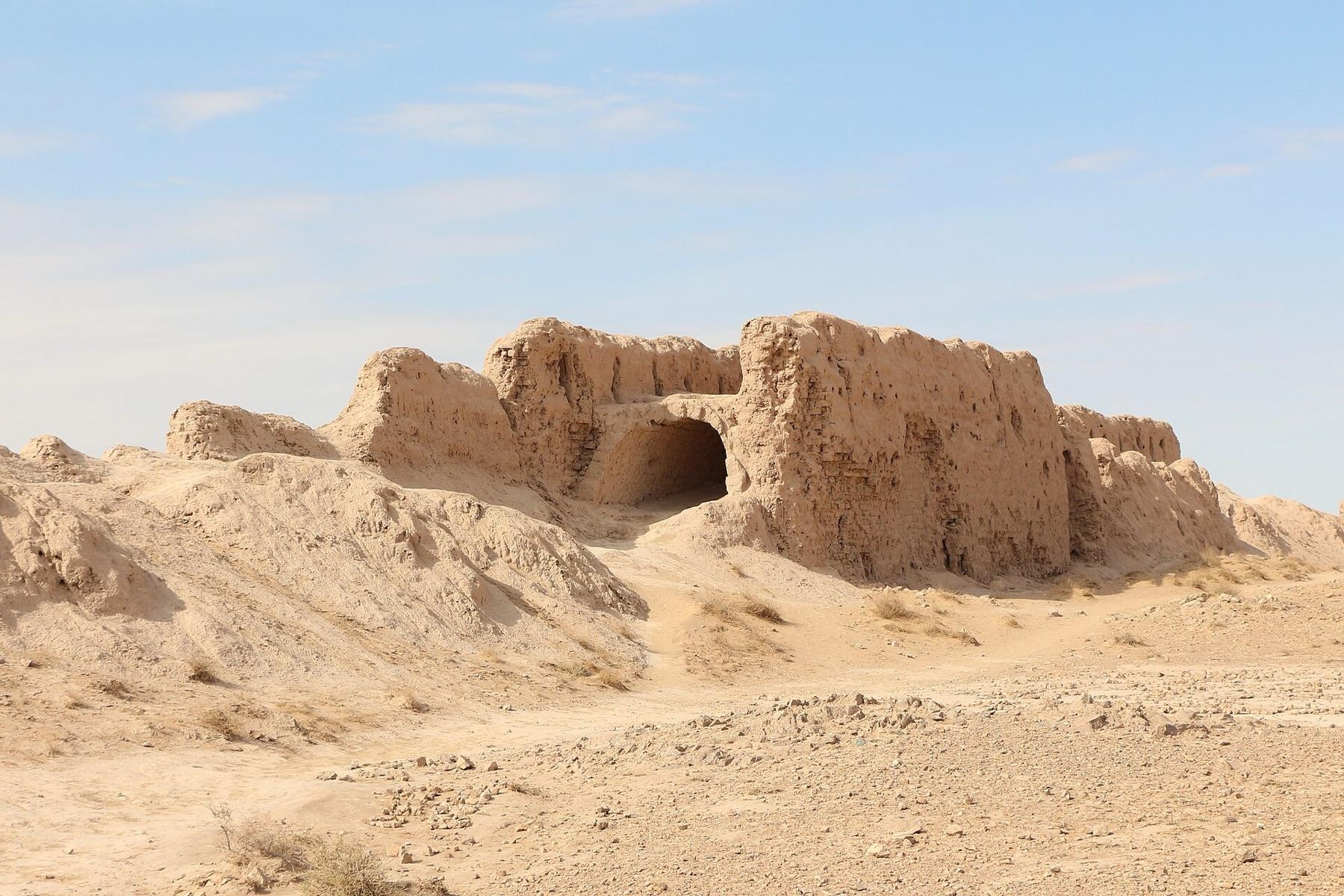
The fullest fortress route in one day, with rarely visited ruins such as Dumon, Kurgashin and Yekke Parsan.
We can set off at any time, picking you up at your hotel, the airport or the train station. We recommend 08:00–09:00, after breakfast, while it is still cool.
The first fortress is 1–1.5 hours from Khiva or Urgench.
Dumon Kala: an unusual plan of three joined parts: a square western enclosure with corner towers, a small square citadel to the east, and a northern enclosure that has disappeared.
Guldursun Kala: a large fortified town with 12th-century walls and towers. Coins found here show that life ended around 1220, at the time of the Mongol invasion.
Koy Krylgan Kala: a round fortress where, by tradition, kings were buried and the stars were watched.
Angka Kala: a lone fortress from the 1st–3rd centuries, on the eastern edge of Khorezm, that guarded the caravan road. Few visitors make it this far.
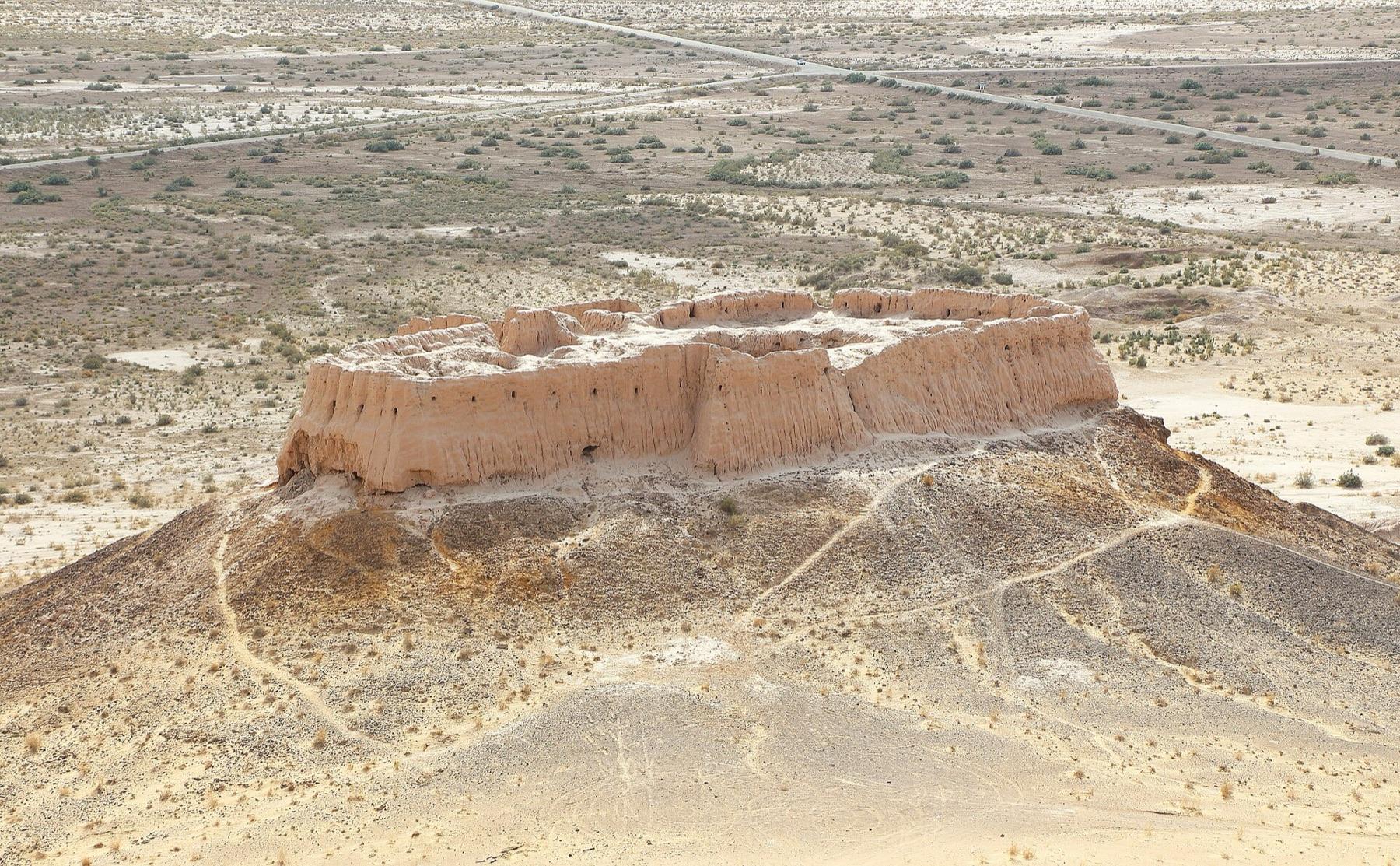
Janbas Kala: one of the oldest fortifications of Khorezm. Its four walls reach up to 20 metres in places and, unusually, have no towers.
Kurgashin Kala: a well-preserved stronghold with thick walls on the edge of the oasis.
Big Kyrk Kyz Kala: a rectangular fortress in use from the 4th century BCE to the 7th–8th centuries CE, with double walls and a two-storey archers' gallery. It later became a pottery centre.
Small Kyrk Kyz Kala: a compact fortress thought to have been an outpost on the way to its larger neighbour.
Ayaz Kala: three fortresses around a hill at the eastern end of the Sultan Uvays range, probably founded around the 7th–8th centuries against nomad raids. Climb up for wide desert views and the sunset.
Yekke Parsan: a solitary fortress on the flat plain, whose origin and purpose are still unknown.
Kavat Kala: around 2,400 years of history. It was the centre of an irrigation network, with thriving settlements around it in the 11th–13th centuries.
Akchakul Lake: a natural lake in the desert and the usual lunch stop. There are yurt restaurants, a minimarket and toilets, and you can swim or take a sand bath.
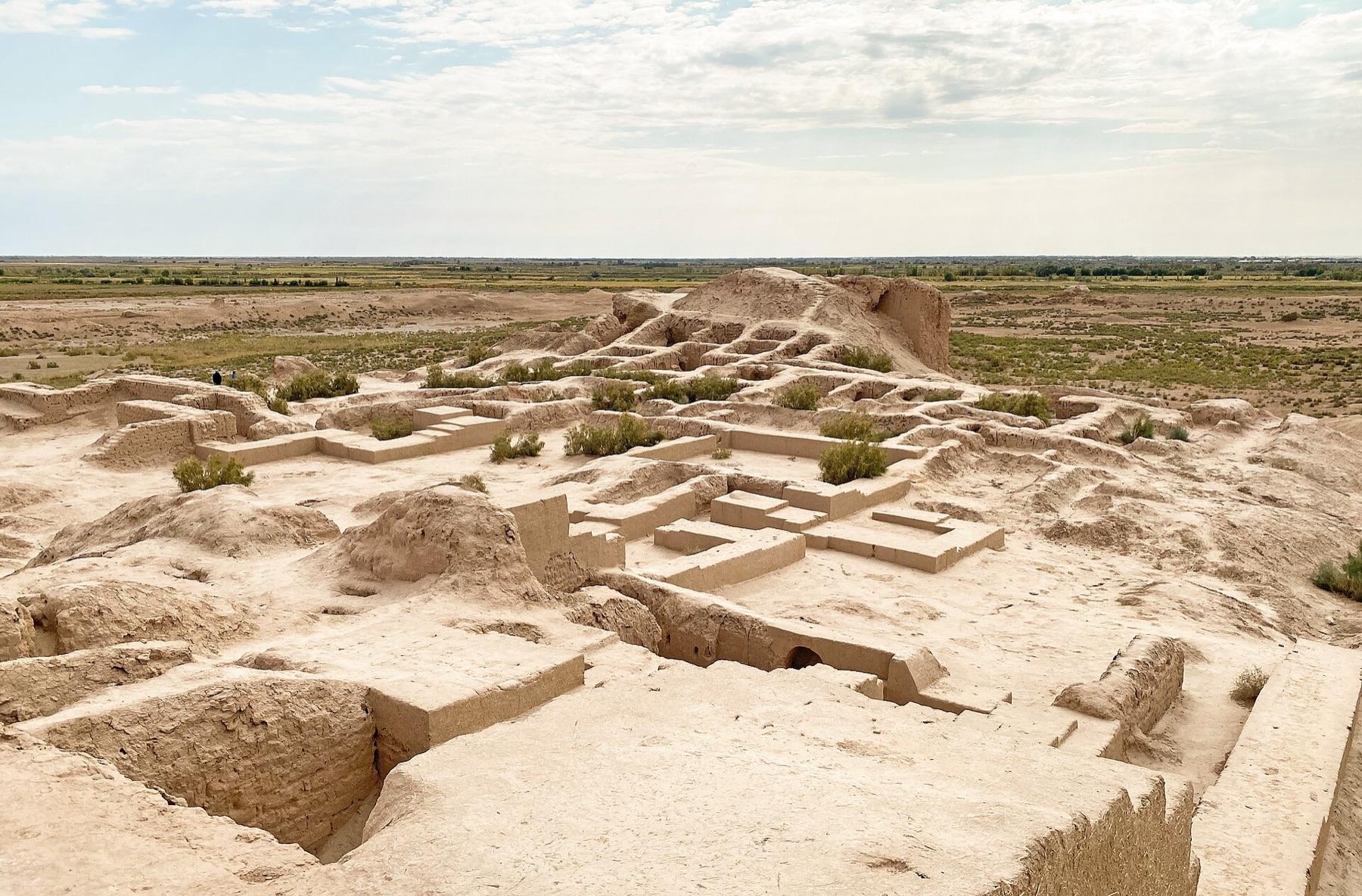
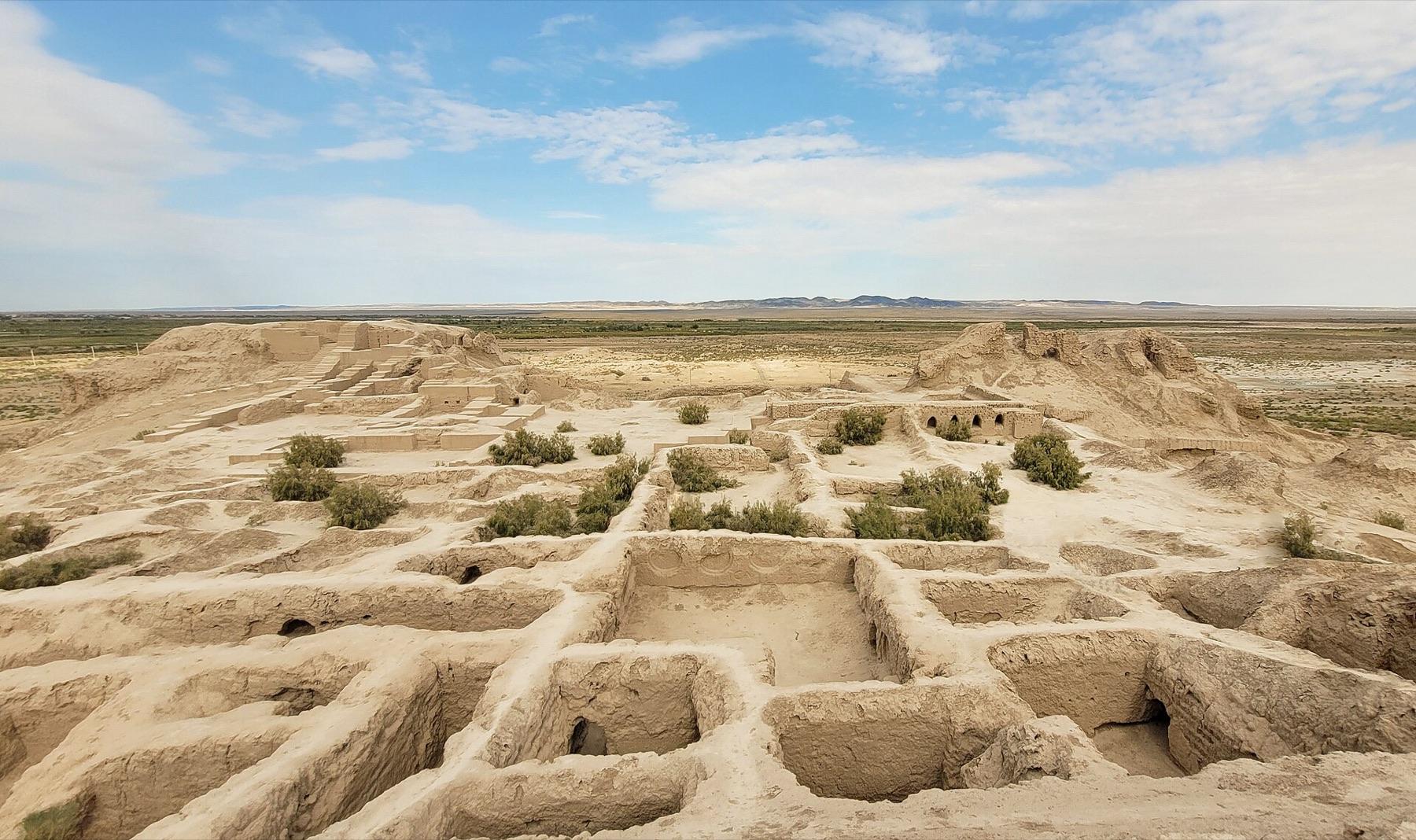
Toprak Kala: the royal seat of Khorezm in the 2nd–3rd centuries, with the remains of a palace among the best preserved of the Kushan era. It lies 10–15 minutes from Kyzyl Kala.
Kyzyl Kala, the "red fortress": built in Late Antiquity (1st–4th centuries), abandoned, then rebuilt in the 12th–13th centuries just before the Mongol invasion.
The tour ends in Khiva or Urgench, at your hotel, the airport or the train station.
Included
- Pick-up and drop-off at your location
- Private air-conditioned car with a professional driver
- Bottled water (0.5 l per person)
- Help with luggage
Not included
- Guide
- Entrance tickets
- Meals
- Camel rides
- Yurt camp stay